Tests


Angiogram (Cardiac Catheterisation)
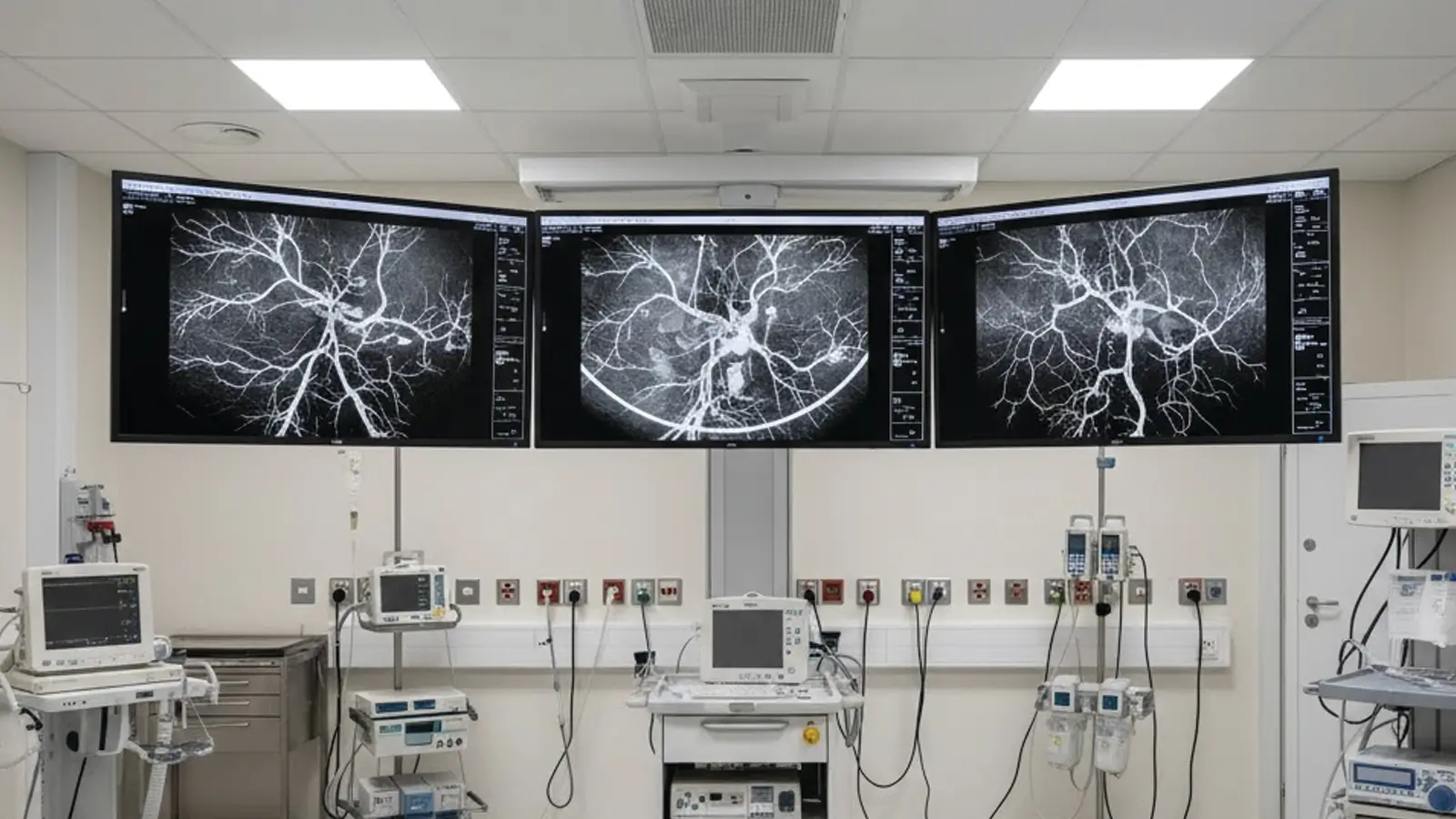

An angiogram is an X-ray examination of your coronary arteries, heart chambers, and valves. I may recommend an angiogram to find out if there are any narrowings or blockages in the arteries that supply your heart muscle, which could be causing your symptoms. Sometimes, patients have no symptoms, but an angiogram may still be advised if I suspect coronary artery disease, for example after an abnormal ECG is detected during a routine check-up.

Preparing for an angiogram

Before your procedure, I will ask you to:

  • Have a blood test and ECG, either during your consultation with me or on the day of the procedure
  • Arrive on time, accompanied by a friend or relative who can drive you home afterward
  • Stop taking certain medications, if advised:
    Warfarin: 5 days before the procedure
    NOACs: 48 hours before the procedure
    Some diabetic medications may also need to be paused
  • Inform me or a team member if you are pregnant or might be pregnant
  • You may drink small sips of water, but do not eat for 4 hours before the procedure

On the day of the angiogram


  • I will explain the purpose, benefits, and risks of the procedure and answer any questions you have. You will be asked to sign a consent form before we proceed.
  • A nurse will take you to the catheter laboratory, where the X-ray machine, heart monitors, and moving table are located.
  • I will perform the angiogram usually through the wrist artery. In a small number of patients, the artery at the top of the leg may be used instead.

What the procedure involves

  • You will lie on the table while the X-ray machine moves into position.
  • If you feel anxious, I can give medication to help you feel calm.
  • Your wrist will be cleaned with antiseptic, and I will inject local anaesthetic, it may sting briefly, like a blood test.
  • I will insert a very fine tube (catheter) into your artery and guide it to your heart.
  • I will then inject a harmless dye into your coronary arteries and left ventricle to take X-ray images.
  • The procedure is not painful, though you may feel slight discomfort similar to angina, this is normal. Please let me know if it occurs.
  • At the end, the catheter is removed, and a special compression band is applied to prevent bleeding.
  • The procedure usually takes less than 30 minutes, and I will normally discuss the results with you immediately afterward.
  • Occasionally, I may need to unblock an artery with a balloon and stent, which can often be done during the same procedure. You may need to stay overnight after stent placement.
  • I will send a summary letter to your GP.

I will review and interpret the results carefully. Usually, you will be able to find out the results the day after the procedure. I normally contact patients directly, but if you have any concerns, you can phone my secretary for advice.

  • The special wrist band will be removed over the next 2 hours
  • You will usually be able to go home when ready, provided someone can accompany you
  • I will provide written instructions and a contact number in case any issues arise
  • I may adjust your medications based on the angiogram results
  • I will normally arrange a follow-up appointment to discuss the findings and next steps

Client Testimonial