Tests
CT Coronary Angiogram (CTCA)
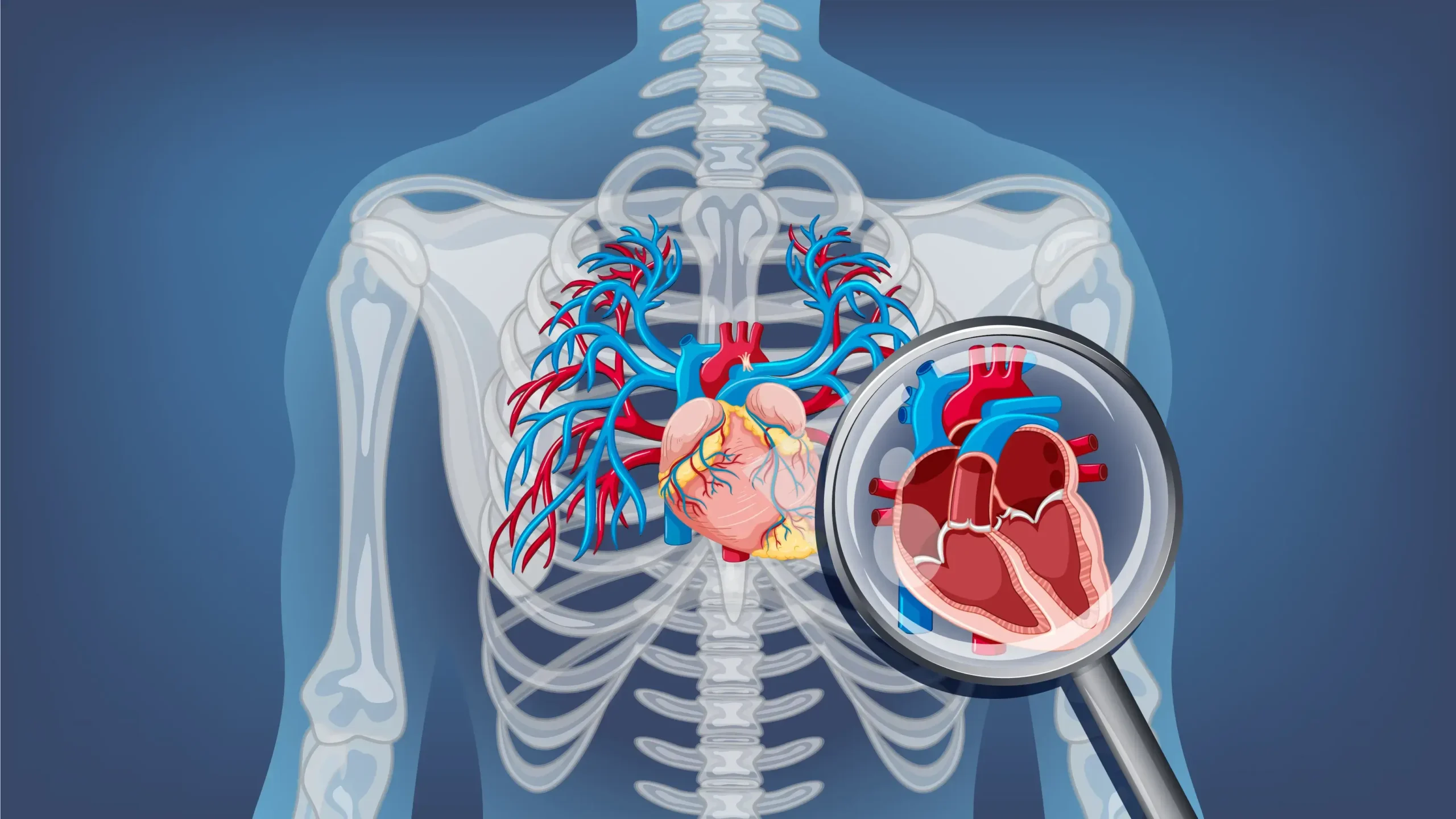
A CT coronary angiogram (CTCA) is a heart imaging test that helps me see if plaques have narrowed your coronary arteries, the blood vessels that supply your heart. Plaque is made of substances such as fat, cholesterol, and calcium that can build up along the walls of your arteries over time. This build up can reduce, or in some cases block, blood flow to your heart.
During the scan, you will receive an iodine-containing contrast dye through an intravenous (IV) line to ensure the clearest possible images of your heart vessels.
How should I prepare?
How long does it take?
Including preparation, the CTCA usually takes about 15 minutes if your heart rate is slow and steady. If your heart rate is fast, beta-blocker medication may be needed to slow it down, which can take longer (up to an hour if given orally, or 20 minutes if given intravenously in multiple doses).
After the scan, your IV line is removed, and you will wait briefly while the radiographer verifies image quality. We will analyse the images and discuss the findings with you at your follow-up appointment.
Client Testimonial

Highest level of professionalism and competence, extremely pleasant experience from a top expert in the field. It is a pleasure and genuine luck to be visited. Could not recommend enough. Grazie mille ed a presto!
Very professional and attentive to his patients. Very knowledgeable and also very friendly.
Very friendly and welcoming consultation both by the team which carried out my tests, and his admin staff who dealt with my booking and arrangement. Very thorough set of tests.
Welcoming consultation both by the team which carried out my tests, and his admin staff who dealt with my booking and arrangement. Very thorough set of tests.
Book an appointment
By taking a proactive approach to your heart health, you can reduce your risk of heart failure and maintain your overall health and well-being. Remember, heart failure is a serious medical condition, but with the right care and support, it is possible to manage your symptoms and improve your quality of life.