Conditions
Heart Valve Disease Pre-Assessment in London
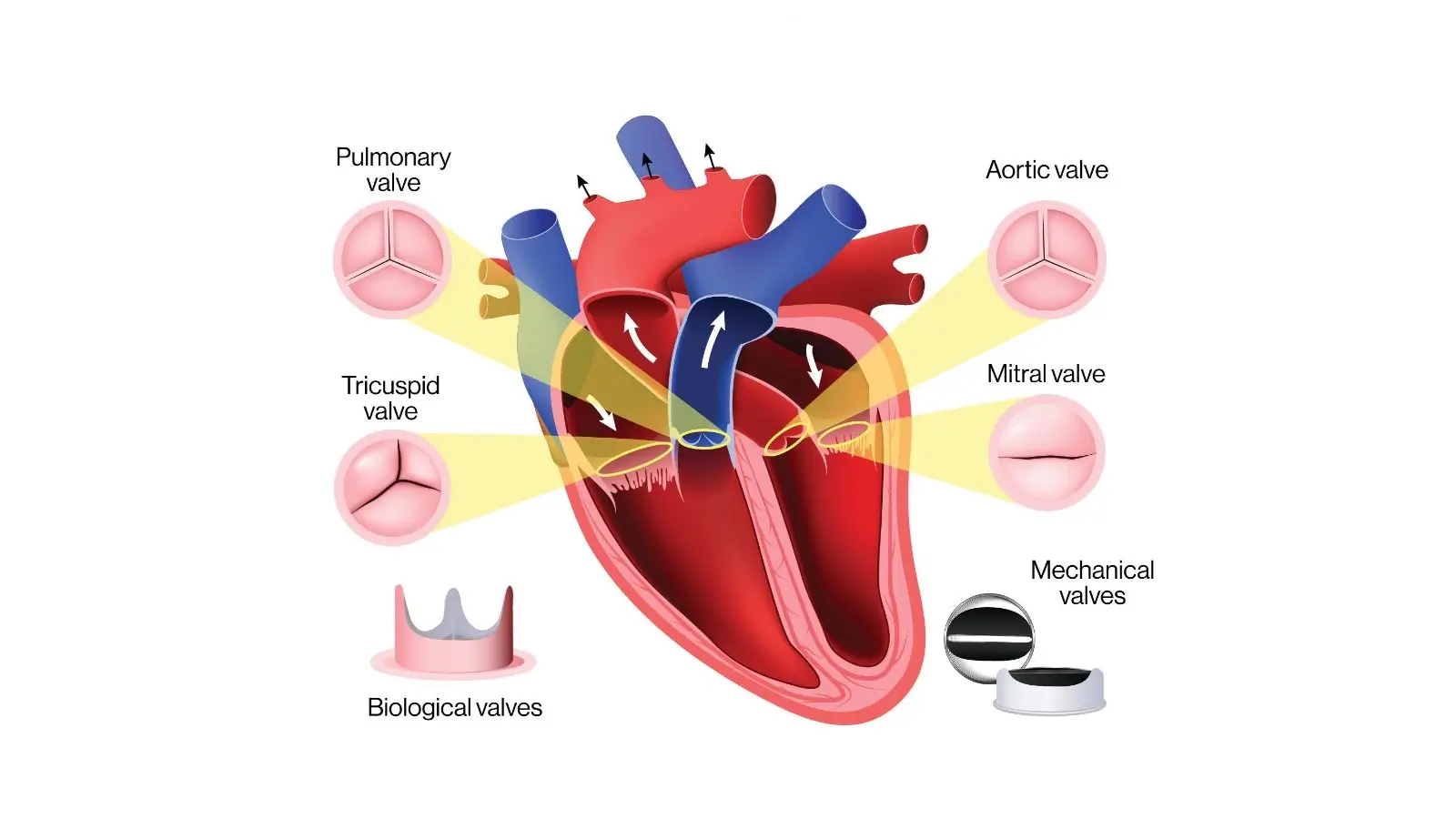
Your heart has four valves – the aortic, mitral, tricuspid, and pulmonary valves. These valves open and close with each heartbeat to ensure blood flows smoothly through the heart and out to the rest of the body.
When a heart valve becomes damaged or diseased, it can affect how well blood flows. At our cardiology clinic in London, we provide expert heart valve disease assessment to identify the problem and recommend the most appropriate treatment.
What Does Valve Disease Pre-Assessment Involve?
A heart valve pre-assessment is designed to understand:
Dr Omar Ali will carefully assess your symptoms, medical history, and test results to determine the best treatment plan. This may include further imaging, regular follow-up, medication, or referral for valve intervention.
Surgical and Non-Surgical Valve Treatment Options
What Our Patients Say

Highest level of professionalism and competence, extremely pleasant experience from a top expert in the field. It is a pleasure and genuine luck to be visited. Could not recommend enough. Grazie mille ed a presto!
Very professional and attentive to his patients. Very knowledgeable and also very friendly.
Very friendly and welcoming consultation both by the team which carried out my tests, and his admin staff who dealt with my booking and arrangement. Very thorough set of tests.
Welcoming consultation both by the team which carried out my tests, and his admin staff who dealt with my booking and arrangement. Very thorough set of tests.
Book an appointment
By taking a proactive approach to your heart health, you can reduce your risk of heart failure and maintain your overall health and well-being. Remember, heart failure is a serious medical condition, but with the right care and support, it is possible to manage your symptoms and improve your quality of life.