Conditions
Pacemaker Implantation in London
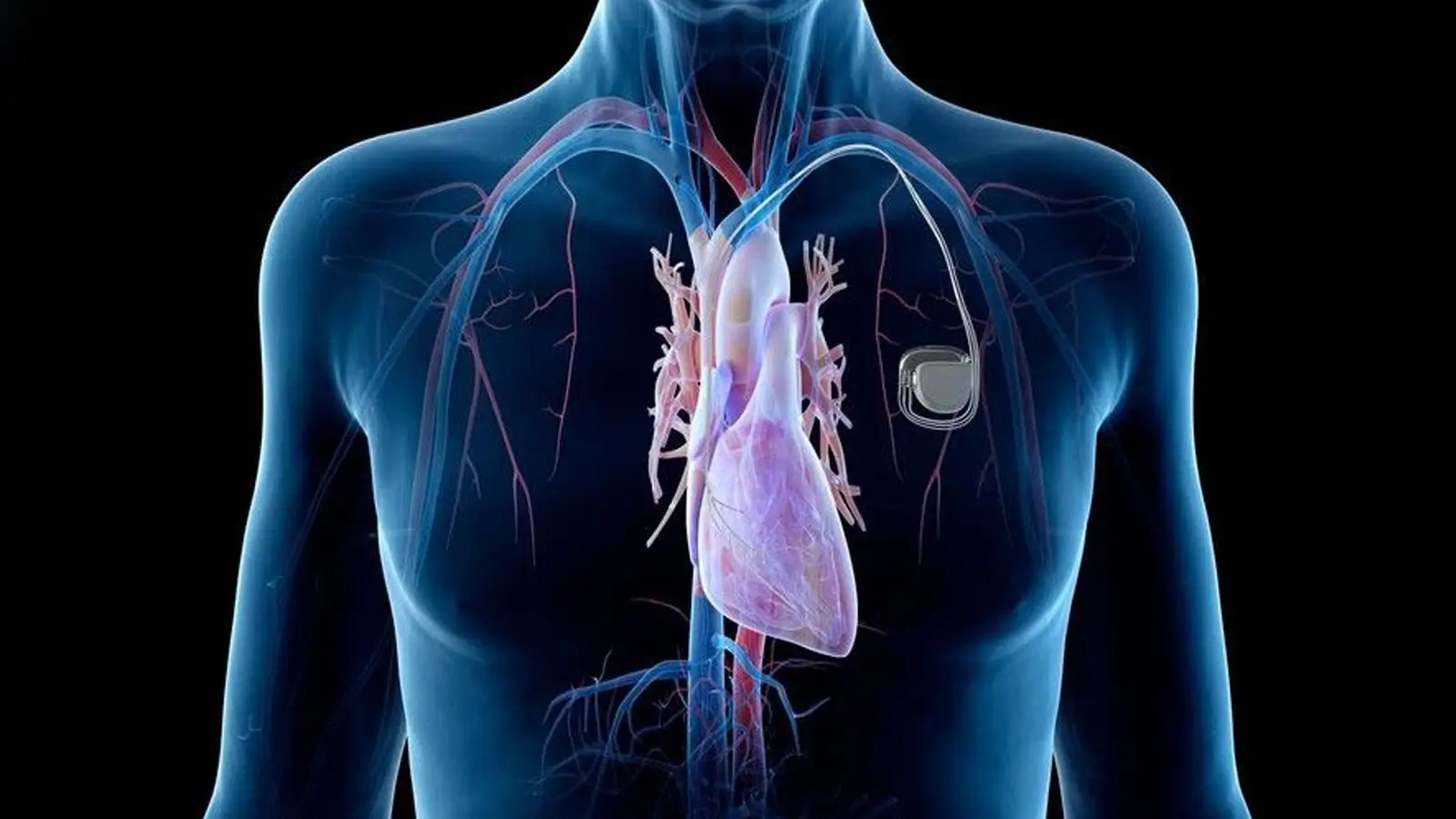
A pacemaker is a small medical device used to treat slow or irregular heart rhythms (arrhythmias). It helps your heart maintain a safe, steady rhythm, allowing you to feel more energetic and return to everyday activities with confidence.
Dr Omar Ali, an experienced Consultant Cardiologist provides expert pacemaker implantation with excellent outcomes. He will carefully select the most appropriate pacemaker in consultation with you, ensuring it suits your condition, lifestyle, and long-term heart health.
A pacemaker consists of:
Pacemaker implantation is usually performed as a day-case procedure under local anaesthetic. An overnight stay can be arranged if you prefer. The procedure typically takes 30 to 60 minutes.
Everyday Life with a Pacemaker
Most people find that a pacemaker has little impact on day-to-day life and often improves symptoms such as fatigue, dizziness, or blackouts.
Pacemaker batteries typically last 8 to 10 years. The battery level will be checked regularly during follow-up visits, and replacement is planned well in advance. When needed, only the pacemaker box is replaced—the leads usually stay in place.
What Our Patients Say

Highest level of professionalism and competence, extremely pleasant experience from a top expert in the field. It is a pleasure and genuine luck to be visited. Could not recommend enough. Grazie mille ed a presto!
Very professional and attentive to his patients. Very knowledgeable and also very friendly.
Very friendly and welcoming consultation both by the team which carried out my tests, and his admin staff who dealt with my booking and arrangement. Very thorough set of tests.
Welcoming consultation both by the team which carried out my tests, and his admin staff who dealt with my booking and arrangement. Very thorough set of tests.
Book an appointment
By taking a proactive approach to your heart health, you can reduce your risk of heart failure and maintain your overall health and well-being. Remember, heart failure is a serious medical condition, but with the right care and support, it is possible to manage your symptoms and improve your quality of life.